Web apps
Build an interactive experience people can open and use.
Case study AI education & production
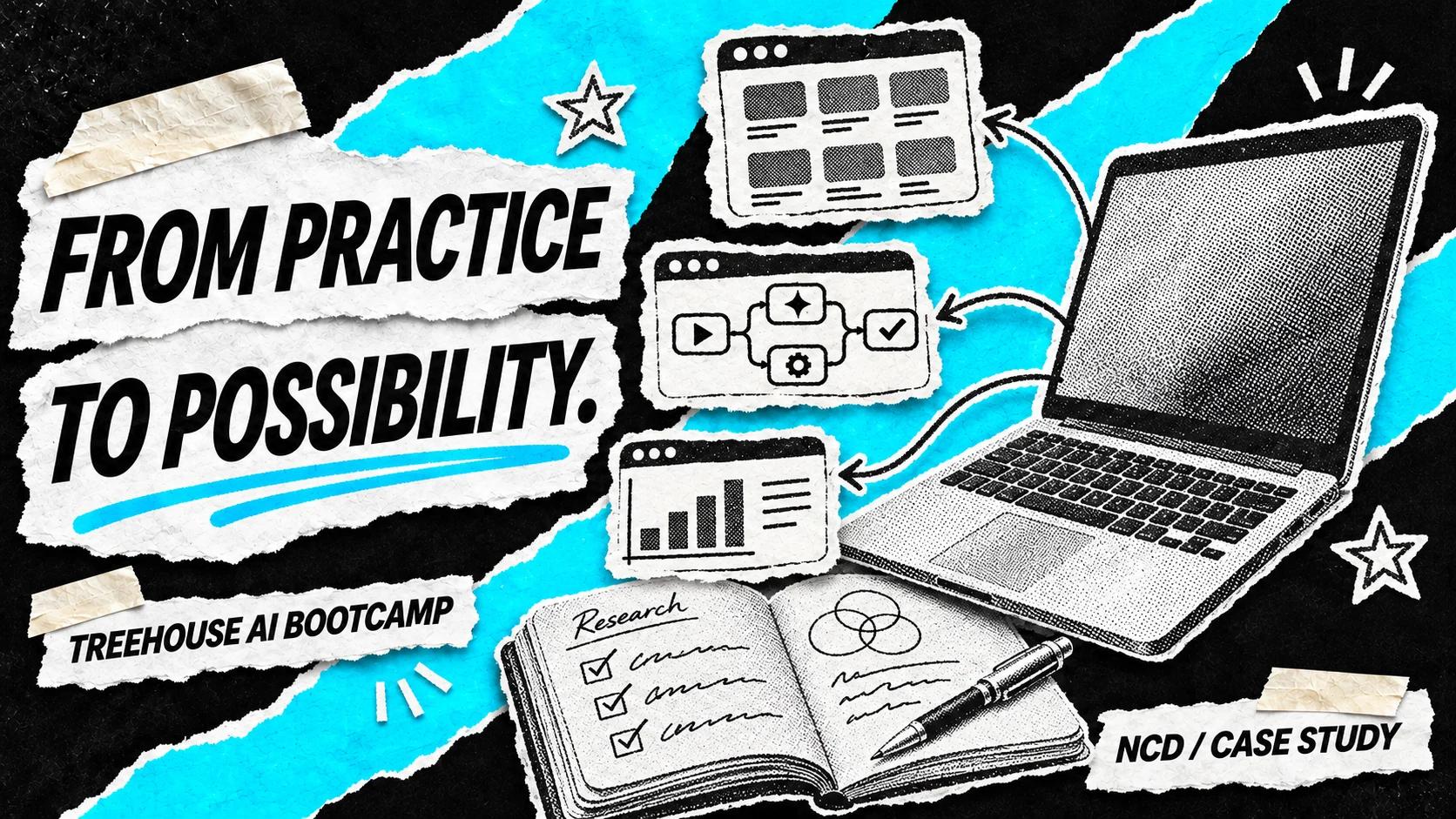
A practical introduction to AI, taking beginners from shared foundations to a live project through three paths: web apps, AI agents, and data dashboards.
Read the case study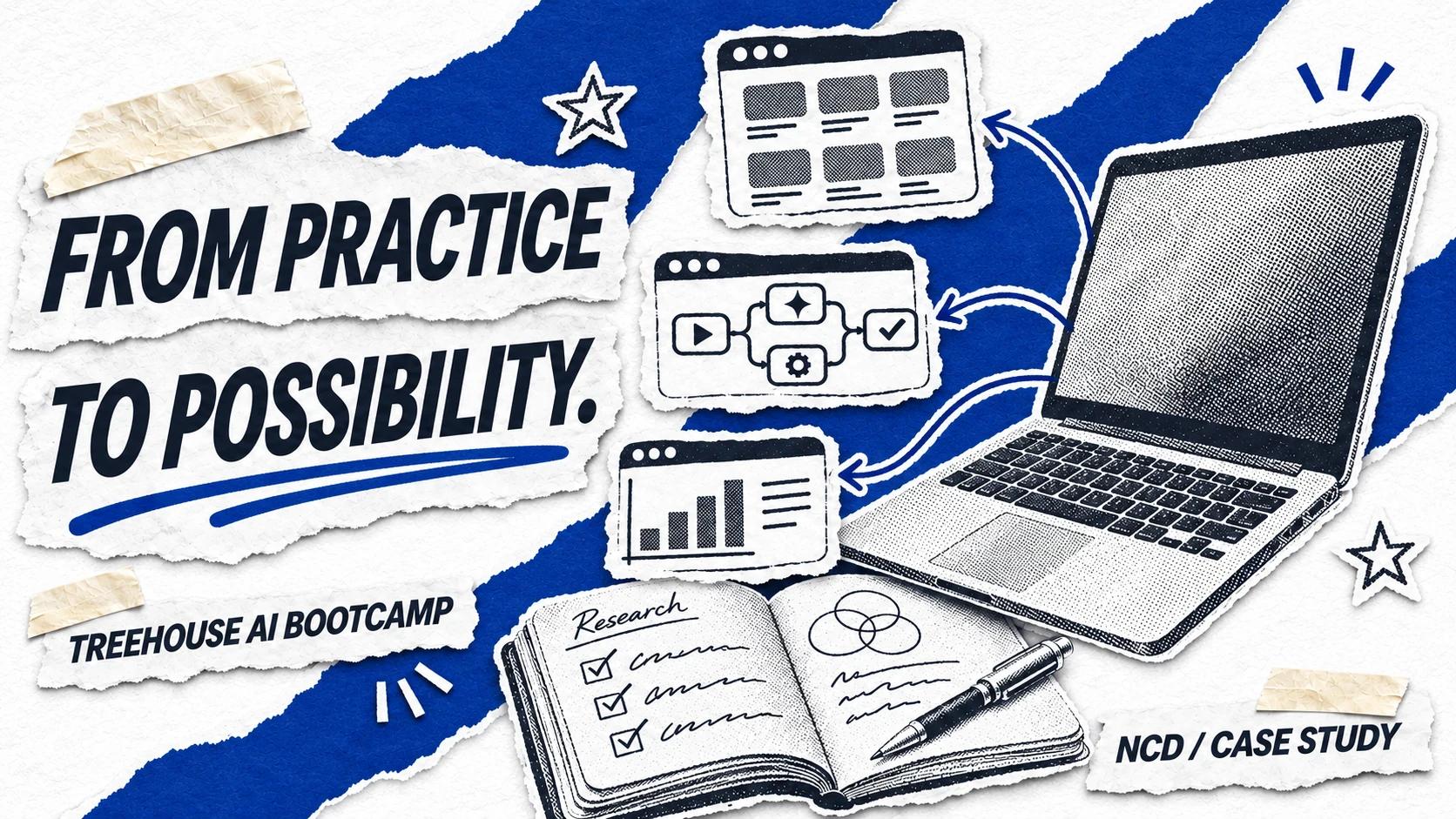
The project, in a few words
I conceived and led the Treehouse AI Bootcamp from initial idea through delivery, working alongside the Treehouse team.
The goal was to give beginners a clear place to start with AI and a practical project to work toward. That meant connecting the curriculum, instruction, and finished videos into one learning experience.
The challenge
AI opens up a lot of possibilities. It also gives a new learner a lot to sort through: unfamiliar tools, competing advice, and demos that make the process look easier than it feels when you try it yourself.
The challenge was to turn a broad, fast-moving subject into a useful sequence. What should someone understand first? What can they try next? And how do those early exercises lead to a project they can actually build?
02 / Research & authorship
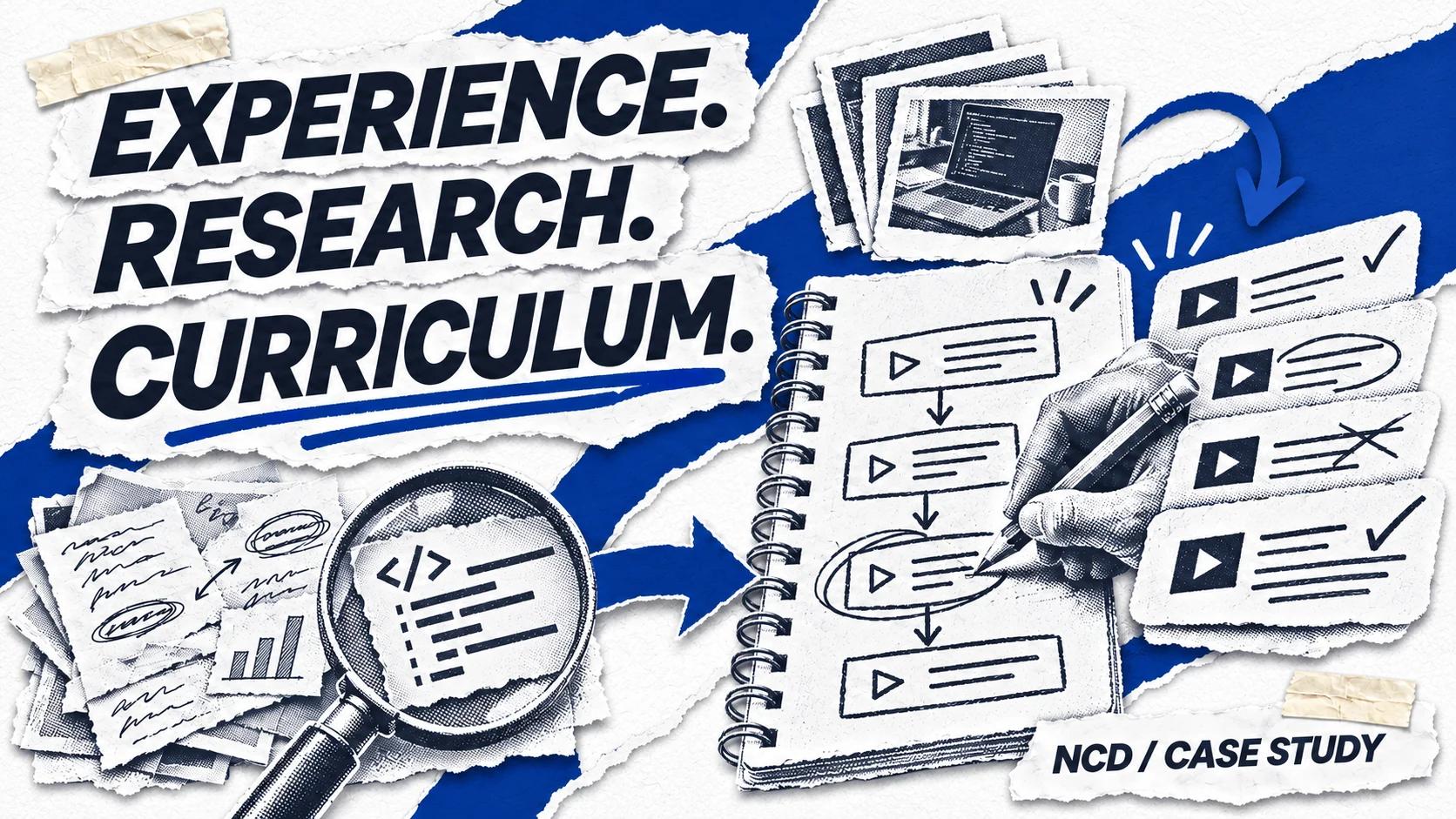
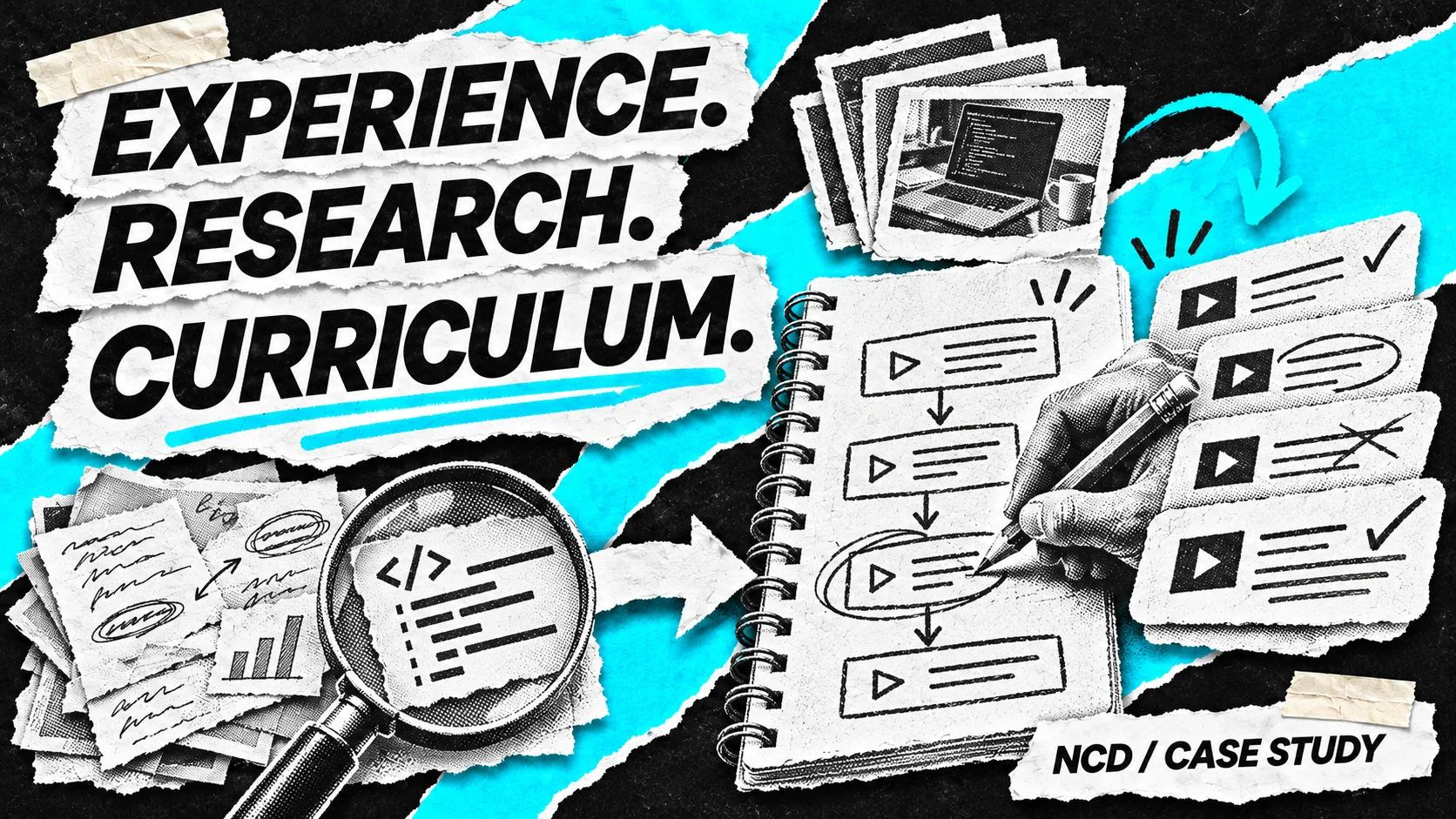
I researched and wrote the content for the entire bootcamp, drawing on four years of firsthand experience using AI to build, experiment, and solve practical problems.
The task was to turn that experience into explanations and activities a beginner could follow, from shared foundations through three distinct build tracks.
The lessons needed to bridge the gap between an impressive first output and something useful, while giving learners enough understanding to make decisions about their own projects.
Give people enough understanding to take the next step and something useful to do with it.
The learning experience
The published bootcamp follows a 28-day, self-paced structure. Learners start together, then choose the kind of project they want to make.
Understand the fundamentals, practice prompting, and develop an idea before choosing a build track.
Build an interactive experience people can open and use.
Connect AI to actions and useful automated workflows.
Turn information into a clear, usable view.
28 days describes the learning path, not the production timeline. Learners can work at their own pace.
Making it approachable
Give learners a way to understand what they are doing before asking them to make bigger decisions about their own project.
Pair an explanation with something to try. The bootcamp combines daily video lessons with hands-on tasks, so practice is part of the learning.
A learner’s own idea gives the material a context. The three tracks offer different ways to put the shared foundations to work.
Recording the advanced paths
I recorded the majority of the bootcamp, including all six weeks of advanced material across the three paths.
Each path needed its own demonstrations and explanations. A web app, an AI agent, and a dashboard share AI foundations, but involve different kinds of decisions and ways of building.
Path 01
2 weeks
Path 02
2 weeks
Path 03
2 weeks
Learners choose one two-week advanced path after foundations. Six weeks describes the combined curriculum across all three paths, not the learner’s schedule, footage duration, or time spent recording.
Editing & production
I handled all audio mixing, video editing, and video production for the bootcamp. The work was to turn the recordings into lessons that were clear to follow on screen.
The edit shaped the lesson sequence and how each explanation unfolded, connecting the spoken instruction with what learners saw.
Audio mixing supported the spoken teaching alongside the picture edit, making sound part of the finished learning experience.
I created all motion graphics for the web app, AI agents, and data dashboards paths.
For the two foundation weeks, I supported the staff helping with the material and led a session on creating motion graphics with AI.
Recordings, edits, audio, and graphics came together as the finished videos learners use throughout the bootcamp.
Project leadership & the team
Leading the project meant considering how each stage affected the next. A written explanation had to work when presented, and a recorded demonstration had to remain understandable in the edit.
The same question connected those decisions: what does the learner need to understand or do before moving on?
The finished bootcamp was a Treehouse team effort. Working alongside colleagues brought the curriculum and production work into the experience available to learners.
08 / The outcome
The result is a published bootcamp that takes beginners from AI foundations to a live, shareable project through daily video lessons and hands-on tasks.
A clear introduction, achievable steps, and room for a learner’s own idea: the aim was to make practical AI knowledge easier for someone else to use.
“Dan led the charge on AI innovation at Treehouse, from internal tools that changed how our team works to educational courses for our learners. He brought vision, initiative, and follow-through to an area that was new for all of us.”